

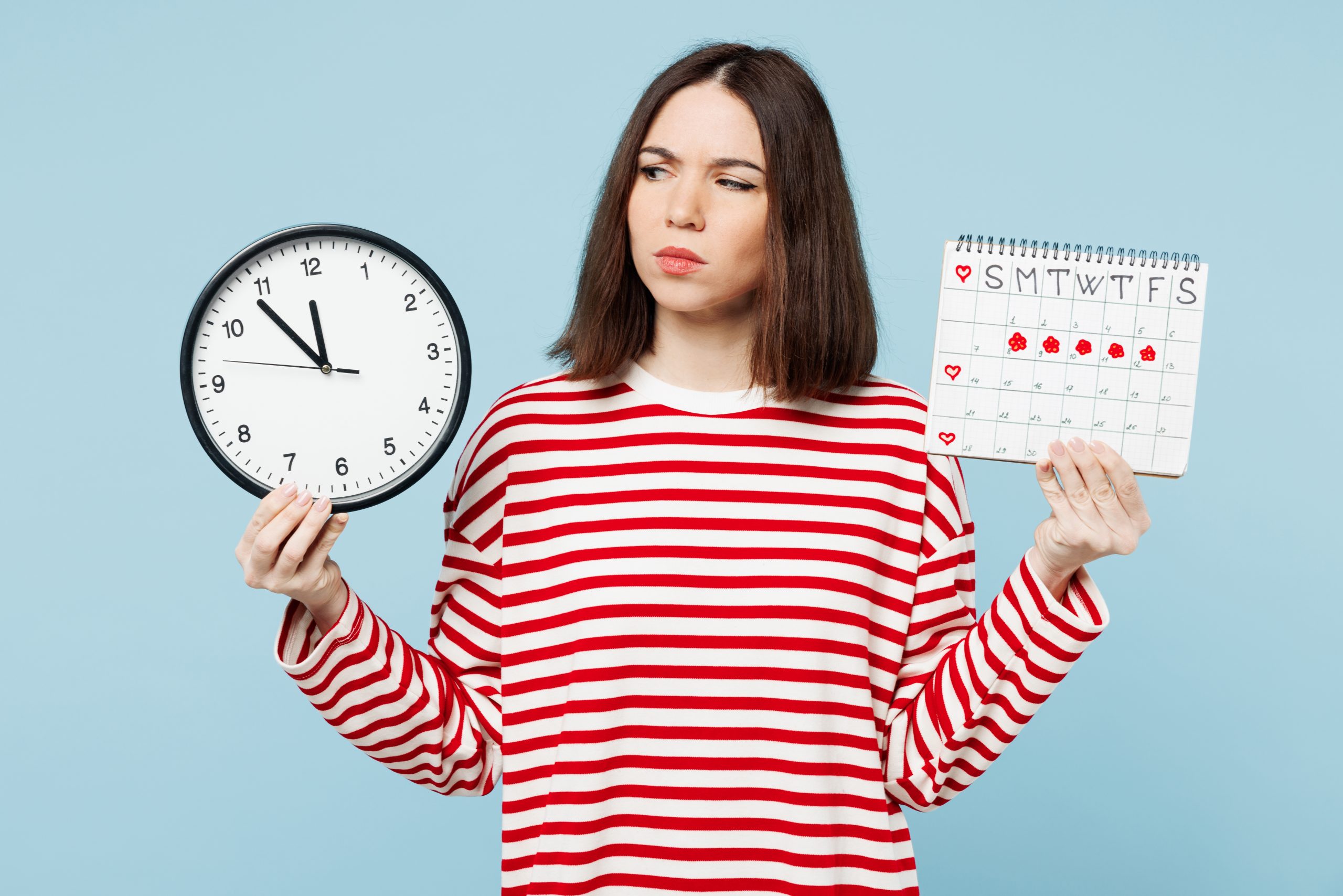
Running on Your Period: Let’s Talk Science, Myth, and Health.
On the fourth day of my five-day ultramarathon in Kenya, I made it to the second aid station and went to use the bathroom. (By “the bathroom,” I mean a military-style hole-in-the-ground, green-tent toilet with the most gorgeous view a toilet could ever have.) It was roughly ten in the morning and I still had about seven hours to go, and then an entire day on top of that. And there, in the bathroom with the most gorgeous view, I found out I had a problem: despite the fact that there was supposedly absolutely no chance for me to get a period, I saw with mild horror that I had, indeed, gotten mine. Welcome to today’s topic: periods and running.
Written & edited by Pavlína Marek
Remember when people thought that running would cause women’s uteruses to fall out? We’ve certainly come a long way from those absurd claims. The world has shifted dramatically—women’s health conversations are finally (albeit slowly) getting the attention they deserve, and we’re ditching outdated myths about menstrual cycle and exercise.
However, while we’re no longer being told to stay in bed during our periods, we’ve slowly approached the other end of the spectrum. Period product ads often suggest that it’s the best time of the month; the rushed world doesn’t allow space for rest.
These aren’t just casual curiosities—they’re legitimate questions that deserve honest, science-backed answers. The relationship between your menstrual cycle and running is a two-way street: your period influences how you run, and running influences how you experience your period. Today, let’s break down this connection using science and even a few personal stories from my time on the battlefield, and arm you with the knowledge to run confidently through every phase of your cycle.
Understanding the Menstrual Cycle and Its Phases
Your body operates on a cycle that lasts about 28 days (though it’s completely normal for it to range anywhere from 21 to 35 days). The different phases of your menstrual cycle create a monthly rhythm that impacts various aspects of your life, including your energy levels and how your muscles perform during a run. Of course, every body is different and some people might feel the hormonal changes more than others.
The Phases of the Menstrual Cycle
- Menstruation: This phase starts on day one of your period when all hormone levels are at their lowest. Sometimes, it is considered a part of the follicular phase.
- Follicular phase: During this phase, which begins with menstruation, estrogen levels start to rise. It’s also when you may feel the most energetic. The follicular phase ends with ovulation.
- Ovulation: Around days 14-17, ovulation occurs when an egg is released from the ovary.
- Luteal phase: After ovulation, progesterone levels increase during this phase. Lots of people will feel more tired than during other parts of the cycle. Rising progesterone might also cause feelings of depression.
How This May Influence Your Running Experience
- During menstruation, some women may experience a boost in energy levels for running despite low hormone levels.
- As estrogen rises in the follicular phase, many runners report feeling stronger and more capable.
- In the luteal phase, hormonal fluctuations can make workouts feel more challenging than they did two weeks prior.
How Running Affects Your Menstrual Cycle
Exercise during your period isn’t just safe—it’s actually beneficial for your body. (Again, if you’re experiencing debilitating symptoms, I’m going to delegate you to the When You Just Can’t Run section. I’ve been there and I know how upsetting it can be to read “oh, but it’s a good time to be active!” articles when your body is fighting against you.) When you run, your body releases endorphins, those natural painkillers that can work wonders on menstrual cramps and lower back pain.
Pain Relief and Improved Circulation
The exercise impact on menstruation goes beyond pain relief. Running gets your blood pumping more efficiently throughout your body, which helps reduce that uncomfortable bloating and swelling many of us experience. Better circulation means less fluid retention, and that tight, puffy feeling starts to ease up. (The exact mechanism is complex and not always about just fluid retention!)
Mood Enhancement and Emotional Stability
Running can help your mental state too. Those same endorphins that tackle physical discomfort also combat mood swings, irritability, and anxiety that often accompany PMS. A 20-minute jog can help you shift your entire emotional landscape, turning a cranky afternoon into a manageable one. Your body is will benefit from movement, even during menstruation—the key is finding the right intensity that works for you on any given day. Gentle yoga might be a better option than running on some days. (Again, please don’t force yourself. If your body is unhappy with exercise, take it easy and listen to its cues.)
How Your Menstrual Cycle Influences Running Performance
The Luteal Phase and Its Effects
During the luteal phase (the two weeks before your period), progesterone levels surge, causing your baseline body temperature to rise by about 0.5-1°F. This might sound minor, but it means your body has to work harder to cool itself down during runs, especially in warm weather. You might notice you’re sweating more or feeling overheated faster than usual when running while on period approaches.
Metabolism Shifts During Cycle Phases
Metabolism during cycle phases shifts too. During the follicular phase (days 1-14), your body efficiently uses carbohydrates for fuel. But once you hit the luteal phase, your metabolism shifts toward burning more fat, and your body may need extra calories, specially in the late luteal phase—sometimes 100-300 more per day. However, the study also found that this increased demand doesn’t have significant impact on performance.
If you’re suffering from heavy periods, your oxygen-carrying capacity can also dip over an extended period of time due to lower iron levels.
Practical Tips for Running Comfortably While on Your Period
During my race, I walked back from the toilet and told a medic. Because I’d had a surgery concerning my reproductive system only nine months prior and was still experiencing pain here and there, I asked her whether it was something we should be concerned about. She explained to me what I’d already known: that extreme endurance events like this one can sometimes bring forth the menses. Then she checked my stomach and was happy to let me continue.
She offered me a pad—I used to run with a menstrual cup back when I used to have a cycle, however, since I hadn’t had a period for several months before the race, and wasn’t supposed to get one, I didn’t come prepared. There was one issue with her offer; if I had accepted the pad, I knew I would have chafed so much I wouldn’t be able to start the race the next day. So I thanked her, but no—I would have to free bleed the rest of the race… thank god I had long-ish black shorts. The moral of that story: do what you know is right for you.
Menstrual hygiene for runners requires some planning and testing to keep you comfortable and confident on the road or trail. The right products make all the difference—experiment with options like menstrual cups, period underwear, or tampons designed for athletic activity. It took me several years to find the products that worked for me and my body. Many runners swear by cups because they hold more fluid and can stay in place for up to 12 hours, perfect for long runs—then again, you may have to empty it in the middle of the woods or put it in the wrong way and bleed around it.
- Test products during training runs rather than on race day to avoid surprises—the cup, period underwear, or double-underwear worked the best for me back when I used to have heavy periods.
- Wear dark-colored or patterned running shorts for added peace of mind—black is your friend.
- Pack extra supplies in your running belt or car for post-run changes. I recommend having a pair of clean underwear and a pack of wet wipes waiting for you at the trailhead.
- Apply anti-chafe balm to areas where pads might cause friction, but honestly, pads are probably the worst choice
- Plan your route near facilities if you need bathroom access. And even if you think you don’t.
This isn’t an exhaustive list, and something different will work for everyone. I must admit, without shame, that I couldn’t be happier to be running (mostly) period-free now. (I’m going to repeat myself when I say, if you have extremely heavy or painful periods, talk to your doctor—and find one that is willing to help.) The key is finding what works for your body and flow pattern.
When to Adjust Running Routine During Menstruation
Sometimes your body sends clear signals that it’s time to dial things back. Adjusting your training calendar on the days with heavy flow or strong cramps isn’t about giving up, it’s about being smart with what your body tells you.
When you’re experiencing a particularly heavy day, swapping that intense interval session for a gentle recovery jog or not running at all makes perfect sense. Your body is already working overtime, and there’s no medal for pushing through when you’re doubled over with cramps.
Signs It’s Time to Scale Back
There may come a time when you will need to scale back your training. The symptoms you experience may be normal, however, they may also derail your training plans.
- Severe cramping that doesn’t ease up after the first few minutes of movement
- Flow so heavy that you’re changing protection more often than how long it would take you to run your route
- Dizziness, lightheadedness, or unusual fatigue (possible signs of low iron)
- Pain that radiates down your legs or into your lower back

When You Just Can’t Run
Sometimes, you simply can’t run. When your body sends clear signals that running isn’t the right choice, don’t run. Severe cramping that doubles you over, heavy bleeding, or dizziness and extreme fatigue aren’t just inconveniences. They’re red flags you need to pay attention to (and find a doctor that does the same).
For years, I forced myself to run through pain and bleeding I’ve been told was “normal.” Dear reader, it wasn’t normal, and after 13 years of having my problems dismissed by many doctors, I finally found one that believed me. Within three months, I went in for a surgery to remove endometrial growths and separate fused organs. This is to say that certain conditions make period-related running challenges significantly more complex.
The unfortunate truth is that women face medical gaslighting constantly. Doctors dismiss severe period pain as “normal” or suggest you’re exaggerating. If your period symptoms consistently interfere with your life and running, don’t accept dismissal. Track your symptoms meticulously, bring documentation to appointments, and demand proper investigation. Switch doctors if necessary. Your pain is valid, your experience is real, and you deserve answers—not platitudes about heating pads and ibuprofen. Don’t force yourself to suffer. If it interferes with your life and hobbies, it’s not normal period pain.
If your doctor isn’t listening to you, find a new one.
Breaking Myths Around Periods and Physical Activity
Let’s get real about some period myths that have held women back for far too long. The idea that your uterus could somehow fall out from running or intense exercise? Complete nonsense. This Victorian-era belief stemmed from a fundamental misunderstanding of female anatomy and was used to keep women sedentary and “in their place.”
Your uterus is securely held in position by ligaments and pelvic floor muscles. Running won’t dislodge it, damage your reproductive organs, or make you infertile. The female body is remarkably resilient and designed to handle physical stress.
- “Exercise makes periods heavier” – Actually, regular physical activity often (not always!) helps regulate flow
- “You’ll lose your period if you run” – Only extreme training combined with insufficient nutrition causes amenorrhea; losing your period is not a good sign.
- “Period blood is dirty” – It’s simply uterine lining and blood, nothing toxic or shameful
- “You should rest completely during menstruation” – Movement often helps more than lying still
In short, physical activity during menstruation is not only safe but beneficial for most women.
A Holistic Approach to Period Running
This may not be as reassuring coming from someone who has gone to hell and back with their period, and ended that journey with a surgery and medication. But you should view both your training cycle and your menstrual cycle as equally important rhythms in your life. This isn’t about pushing through pain or ignoring your body’s signals. It’s about developing a deeper understanding of how these cycles work together.
Consistency in running doesn’t require identical performance every single day. Track your patterns and see how your cycle influences your runs. Notice when you feel strongest. Celebrate the days when running feels empowering, and respect the days when it doesn’t.
You’re not just a runner who happens to menstruate. It actually influences your life—you’re a complete human who has to navigate an extra challenge every month while also logging miles, chasing PRs, and showing up for yourself. Listen to your body, trust your instincts, and keep moving forward in whatever way feels right for you today.