

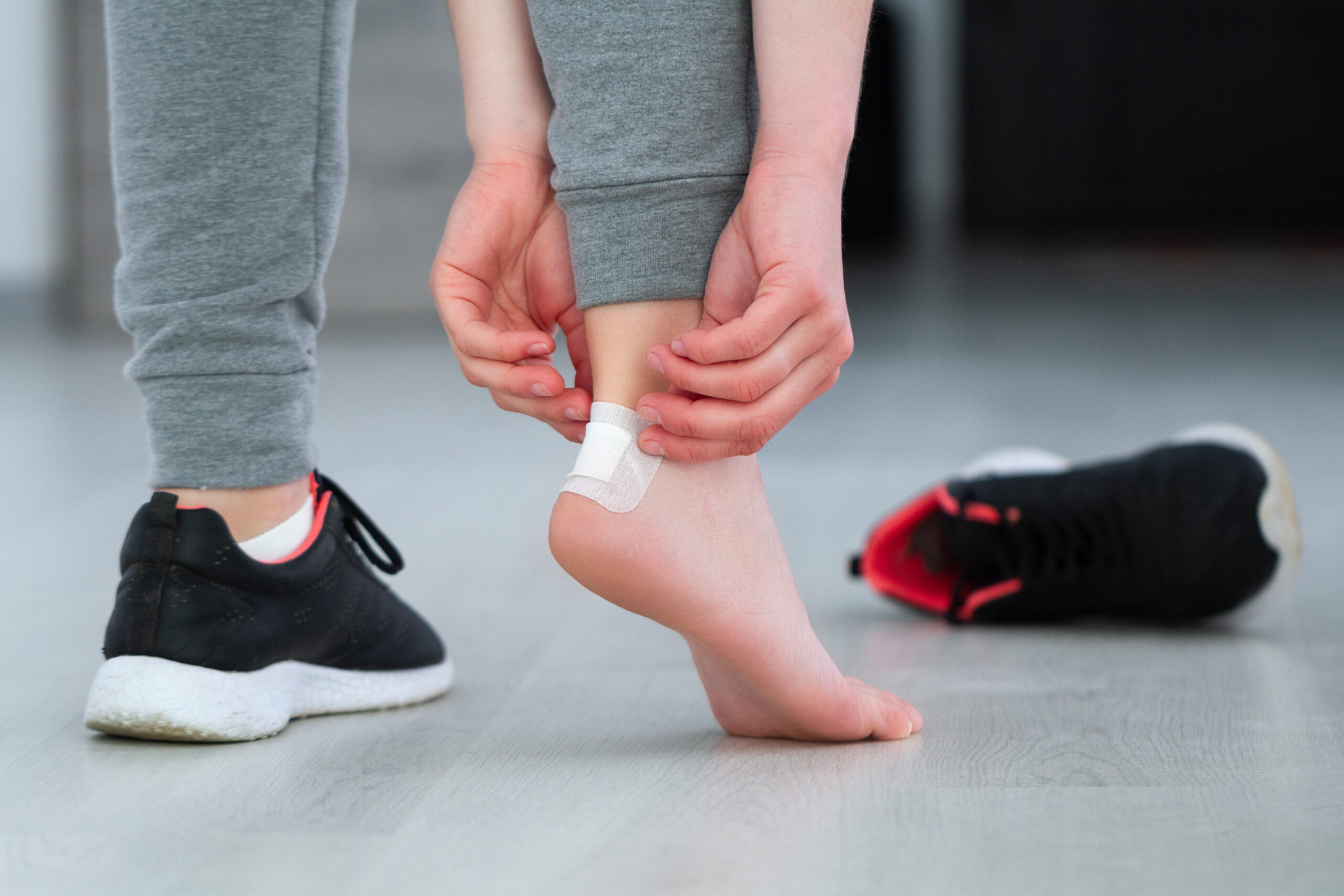
Blisters: What Are They, Why Are They, and How to Treat Them | Foot Clinic
If you’re a runner, chances are you’ve dealt with foot blisters at some point during your training. Especially if you’re at the start of your journey, figuring things out, you’re more likely to experience these minor but uncomfortable injuries. These painful, fluid-filled bubbles also seem to appear at the worst possible times—even if you didn’t experience them before, they can pop up in the beginning stages of a big race or during a long-distance run. Today, let’s talk about the what and why of blisters and go over some prevention and treatment options.
Written & edited by Pavlína Marek
Foot blisters are one of the most common complaints among runners. You’re never quite safe from them, whether you’re a complete beginner or a seasoned marathoner. They develop when your skin experiences repeated friction, typically from your shoes or socks rubbing against vulnerable spots on your feet. While they might seem like a minor annoyance, untreated blisters can sideline your training and make every step uncomfortable.
What Exactly Are Blisters?
For runners, this skin condition typically shows up as raised, circular bumps on your feet. They can be a tiny, pea-sized surface annoyance or a deep-seated menace covering larger areas, depending on how much abuse your feet have taken. Fresh blisters appear translucent or slightly white, while older ones might look red or even bloody if deeper skin layers were damaged.
Common Causes of Blisters in Runners
Let’s go over some common reasons why you as a runner may get blisters. Think about a run that had you hobbling away with this unsavory skin condition. Did you put your feet through any of the following situations?
- Friction: The repetitive rubbing between your foot, sock, and shoe creates heat and separation between skin layers. Maybe your socks were too loose?
- Moisture: Sweaty feet soften your skin, making it more vulnerable to irritation and blister formation. Same goes for feet that are wet from external forces—did your latest blister perhaps appear during a rainy run?
- Ill-fitting shoes: Shoes that are too tight create pressure points, while those that are too loose allow your foot to slide and rub.
- New shoes: Stiff materials haven’t molded to your foot shape yet. Always do a few shorter runs in your new shoes before you take them out on a longer adventure.
- Long distances: More miles mean more repetitive motion and stress on the same spots. If you’re running far enough to need a vest with water, that added weight can also influence your feet.
Recognizing Blister Symptoms
You can usually feel a blister before it’s fully formed. Sometimes, it feels like a hot spot, sometimes it’ll be like ants crawling under your skin. Don’t be lazy to stop your run and do some preventative treatment so the problem doesn’t get any worse.
One you’ve fully developed a blister, you’ll know it by that telltale burning or stinging sensation during your run. The area becomes tender to touch, and you might notice redness around the raised pocket of fluid. Some runners describe it as feeling like there’s a pebble in their shoe—except the problem is actually on their foot.
Why Do Runners Get Blisters?
By now, you’re probably realized that running creates the perfect conditions for blisters to form. Understanding how this happens can help you prevent them.
1. Friction is the main cause.
Every time your foot hits the ground—which happens thousands of times during a single run—your skin rubs against your socks and shoes. This repeated motion creates forces that separate the outer layer of skin from the layers beneath. The space between fills with fluid as your body’s protective response, creating that familiar bubble we call a blister.
2. Moisture makes your feet more prone to blisters.
When you run, your feet sweat—sometimes producing up to a cup of moisture per day. (I know, it sounds ridiculous. But it’s real.) This dampness softens your skin, making it more susceptible to friction damage. Wet skin is weaker than dry skin, so it tears more easily under the same rubbing forces. Just like a wet piece of paper rips more readily than a dry one.
3. Heat worsens the damage.
Your feet get hot during runs, especially in the toe box and heel areas where blood flow increases. This heat, combined with moisture and friction, causes faster breakdown of skin tissue. Long-distance runners are at greater risk because their feet experience hours of this combination—friction, moisture, and heat working together to weaken the skin at specific pressure points.
Runner’s Blister Prevention Pack
The best way for runners to deal with foot blisters is to prevent them from happening in the first place. Here’s how to prevent blisters from forming.
1. Get the Shoe Fit Right
Properly fitting shoes make all the difference. Your running shoes should have about a thumb’s width of space between your longest toe and the shoe’s end. (Also great for preventing losing toenails.) This accounts for foot swelling during long runs.
2. Break New Shoes In Gradually
No matter how excited you’re to take your shoes out on a long adventure, new shoes need time to adapt to your feet, and your feet need time to adapt to them. Breaking in shoes long before race day prevents painful surprises at mile 10. Start with short, easy runs and gradually increase distance over 2-3 weeks. This allows the materials to soften and mold to your unique foot shape while revealing any potential problem areas before they become race-day disasters.
3. Choose Smart Socks
Cotton socks might feel soft initially, but they trap moisture against your skin—creating the perfect blister environment. Moisture-wicking socks made from synthetic materials or merino wool pull sweat away from your feet, keeping skin drier and more resilient. Look for seamless designs that eliminate additional friction points. Many runners opt for toe socks, and some swear by double-layer socks that allow fabric layers to rub against each other instead of against your skin. I personally love running in woolen hiking socks from Darn Tough, especially when I know the run will be a wet one.
4. Pre-Tape Problem Zones
Know your hot spots? Beat them to the punch. Apply leukotape, specialized blister prevention tape, kinesiology tape, or even duct tape to areas where you typically develop blisters before heading out. (Duct tape saved my Everesting challenge, and K-tape has also worked well for me.)
Common zones include heels, the ball of the foot, and between toes. The tape creates a smooth, protective barrier that reduces friction. Keep the tape edges smooth and ensure it adheres well to clean, dry skin for maximum effectiveness.
You Got A Blister, Now What?
Despite your best prevention efforts, blisters can still appear during or after a run. The first rule: resist the urge to pop it immediately. That fluid-filled bubble is actually protecting the damaged skin underneath from bacteria and infection.
Initial Care Steps
Start by cleansing blisters gently with mild soap and lukewarm water. Pat the area dry with a clean towel—no rubbing. This simple cleaning routine is your first line of infection prevention. If the blister is small and intact, cover it with a sterile bandage or blister pad and leave it alone. Your body will naturally reabsorb the fluid over a few days.
When Draining Becomes Necessary
- Sterilize a needle by holding it in a flame until it glows red, then let it cool or wipe with rubbing alcohol
- Clean the blister area thoroughly with mild soap and water
- Pierce the edge of the blister gently, making a tiny hole
- Press gently to drain the fluid while keeping the overlying skin intact—this acts as a natural bandage
- Apply antibiotic ointment and cover with a sterile dressing
Never remove the deflated skin layer. It provides crucial protection while new skin forms underneath. Change the bandage daily and watch for signs of infection like increased redness, warmth, pus, or red streaks extending from the blister site. These symptoms warrant a visit to your healthcare provider.
Recommended Products for Prevention and Treatment
The right gear makes all the difference when it comes to taking care of your feet and their blisters. Here are some products that can help keep your feet happy:
Performance Socks
Invest in quality performance socks made from synthetic blends like polyester to the natural merino wool. These moisture-wicking fabrics pull sweat away from your skin, reducing the friction that causes blisters. Skip the cotton as it holds onto moisture.
Blister Cushions
Compeed cushions are generally very well-liked among runners. These hydrocolloid bandages create a protective barrier over existing blisters while maintaining moisture balance for faster healing. They stay put during runs and can be worn for several days. Stock up on different sizes to match various blister locations.
Epsom Salt Soaks
After a long run, an Epsom salt foot soak works wonders. The magnesium sulfate helps dry out excess moisture, toughens skin, and reduces inflammation. Mix 2-3 tablespoons in warm water and soak for 15-20 minutes. This simple routine can prevent future blisters while promoting healing of existing ones. Warning: do NOT do an Epsom salt bath with a popped blister. It will burn like hell.
Anti-Chafe Balms
Products like Body Glide or petroleum jelly create a slippery barrier between your skin and shoes, eliminating friction before it starts. Apply some to your problem areas—or go rogue like one of my friends who put Vaseline all over his feet and soaked a first, thin pair of socks in that stuff before putting a second, thicker pair over them.