


Avoid Chafing, Save Your Run!
Chafing is one of those running problems nobody really posts about, but almost everyone deals with at some point. Sometimes, it’s not just annoying because it can turn a great run into a painful shuffle. In its more severe form, it can also be race-ending.
The good news is that chafing can be mostly preventable once you understand what causes it and build a simple routine that works for your body. In this guide, we’ll learn what chafing is, what to do before a run to prevent it, your contingency plan if it starts mid-run, and how to treat it after so it heals fast.
Written & edited by Pavlína Marek
Why Chafing Happens (and Why Runners Get It so Often)
Chafing is skin irritation caused by repeated friction, moisture, and heat. Your skin rubs against itself or the fabric of your clothes, sweat softens everything up, and the movement repeats thousands of times until you get that stinging, raw feeling.
- Repetitive motion: Same movement over and over (stride, arm swing).
- Sweat and moisture: Even on “nice” days, you’re usually damp somewhere.
- Longer duration: A small hot spot at mile 2 can become a swollen welt by mile 8.
- Gear contact points: Waistbands, seams, sports bras, hydration vests, socks, race bibs.
Chafing isn’t a problem just for new runners. Experienced runners chafe all the time depending on conditions. Heat, humidity, rain, salty sweat, or a slightly different pair of shorts can be enough. (I’ve been running for eight years, for six of which I’ve been doing ultramarathons, and just recently, my race was ended by chafing so extreme I bled through my clothing.)
The 3 Main Triggers: Friction, Moisture, and Time
If you remember nothing else, remember this combo.
1) Friction
Skin-on-skin friction usually impacts inner thighs, the groin, and underarms. Skin-on-fabric friction usually appears under the sports bra band, shorts waistband, seams, nipples, and along sock edges.
Even “soft” fabric becomes abrasive when it’s moving and rubbing for long enough.
2) Moisture
Sweat, rain, humidity, and even wet gear from a previous run all make chafing worse. Wet skin softens and breaks down faster, and damp fabric tends to drag across the skin instead of sliding harmlessly.
Salt from dried sweat can also make things worse because it leaves tiny crystals behind that increase abrasion.
3) Time (and distance)
Chafing often isn’t immediate. It builds.
A tiny rub that you barely notice early can turn into raw skin later, especially on long runs, hikes, or races.
Personal Factors That Influence Your Chafe
Not everybody will experience severe chafing on every run. Some runners got lucky with a more resilient skin, while others won’t be able to fully prevent chafing no matter what they try. These are some of the main factors that’ll influence your experience.
- Sensitive skin
- Body hair patterns (hair can reduce friction for some people, cause irritation for others)
- Saltier sweat
- Where you carry weight and how your stride lands
- Hot spots you’ve “trained” into your body (if you chafe in the same place every time, you need a system, not luck)
Common Chafing Spots for Runners
Here are the usual suspects. If you know your problem zones, you can protect them before you even step outside.

- Inner thighs and groin. Probably the most common. Short shorts in combination with stride + sweat + heat, especially in summer or high humidity, is a classic recipe.
- Nipples (especially in men). Fabric rubbing over time is the issue, and salt buildup makes it worse. It can go from “kinda annoying” to “why is my shirt stuck to me” real fast. (As a volunteer at trail races, the number of nipples I’ve put vaseline on is frankly disconcerting.)
- Sports bra line and underboob. Sweat gets trapped, elastic edges rub, and small fit issues show up during longer runs. If your bra shifts even slightly while you run, that movement adds up. The bigger your chest, the more likely you are to experience issues.
- Waistband and lower back. Bouncing waistbands, drawstrings, pockets, belts, phone edges, and race bibs can all create localized rubbing.
- Underarms. Especially if you’re wearing short sleeves or the armscye of your shirt is too loose, your underarms can get chafed pretty easily. It’s the same principle as with your thighs.
- Feet. This can be true chafing or it can be blisters. The difference is mostly location and how it looks, but the cause is similar: moisture + friction + time. Wet socks and wrinkled fabric are common culprits.
How to Prevent Chafing Before It Happens
The three simplest things you can do to prevent chafing are to keep skin dry, reduce friction, and remove rough contact points.
Before you head out, do a quick hot spot scan. Ask yourself, ‘Where have I chafed before? What’s different today (weather, gear, distance)?’ Once you know your problem spots,…
1. Pick the right running clothes (fit, fabric, seams)
Clothing matters way more than people think.
Fabric
Go for moisture-wicking technical fabrics that feel smooth. Avoid rough cotton, especially for longer runs. Cotton holds sweat, gets heavy, and, most importantly, stays wet, which will support your chafe.
Fit
Fabric that’s too loose bunches up and rubs. Fabric that’s too tight will dig in along the edges, especially waistbands and armholes.
Your clothes should be secure, not restrictive. If you’re adjusting your shorts every two minutes, they’re probably not the right pair for you.
Seams and tags
Look for flatlock seams and tagless designs. A seam that feels “fine” when you’re standing still can become a problem after 45 minutes of movement. Always check your gear inside-out and feel for raised stitching or sharp edges. Seamless underwear is your best friend.

Shorts vs tights
A lot of runners fix thigh chafing instantly by switching to longer inseams, compression shorts, or tights. Skin can’t rub if there’s fabric between it, and good compression fabric tends to stay put. (My Rabbit high rise 7″ shorts were the best investment I’ve ever made. I haven’t chafed my thighs since.)
Sports bras
Fit is everything. If the band rides up, straps slide, or the bottom edge digs in, you’re more likely to chafe. Look for soft edges, minimal stitching in high-friction areas, and a band that feels snug without feeling like it’s cutting you in half. (Different sports bras will work for different bodies. After eight years of running, I’m still struggling to find a bra that doesn’t chafe, despite opting for the best materials. Wishing you more luck!)
2. Use an anti-chafe barrier (and apply it correctly)
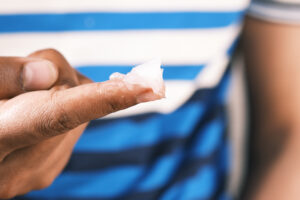
Anti-chafe products are your friction shield. They help skin glide instead of grabbing. Once again, different option will work for different bodies.

- Inner thighs
- Groin folds
- Underarms
- Bra line and underboob
- Waistband area and lower back
- Nipples
- Toes and heels (if you’re prone to foot hot spots)
A thin, even layer is usually enough. For long runs, very humid days, or rainy runs, plan to reapply if you can.
- Anti-chafe sticks and balms
- Petroleum-based barriers
- Zinc-oxide style creams (also common for irritated skin)
- Powders (best for mild moisture control, usually not enough alone for heavy friction)
Test anything new on a shorter run first. Some products sting on already irritated skin, and you may have an allergic reaction to certain ingredients.
3. Reduce skin-on-skin friction
These are the low-effort changes that solve a lot of chafing problems.
Thigh chafing
Compression shorts or tights are usually the best choice. If you hate tights, try half tights or longer running shorts that don’t ride up. Go for shorts with a liner or compression shorts that stay put.
Nipple chafing
Use tape or bandages over the nipples for long runs and races. Wear a snug, moisture-wicking top that doesn’t flap around. Avoid rough fabrics, especially on longer distances.
Underarm chafing
Sometimes sleeveless tops solve it, sometimes they make it worse depending on where you rub. Test both. If your shirt seam hits the same spot every run, switch tops.
Only change your arm swing if it’s obviously a form issue. Most of the time the fix is fabric, fit, or lubrication.
Body hair note
Trimming can help some people. Keeping the hair will be the best option for others. Shaving right before a run can backfire because fresh shaving can make skin more sensitive and prone to irritation. If you shave, do it at least a day or two ahead and see how your skin reacts.
4. Match your plan to the weather (heat, cold, rain, humidity)
Weather changes everything, even if you’re wearing your usual gear.
Hot and humid
More sweat, more salt, more friction. Use stronger barriers, breathable fits, and don’t “hope for the best” on long runs. This is when anti-chafe balm earns its keep.

Wet fabric can turn into sandpaper. Go for quick-dry materials, consider tighter layers that don’t flap, and protect key areas more aggressively. If you’re doing a long run in the rain, reapplication planning matters. If you’re planning to tape your problem areas, use tape glue.
Cold
Overdressing leads to sweating. Damp base layers can still cause chafe, especially around waistbands and bra lines. Use moisture-wicking base layers with gentle seams. Layer smart and don’t be lazy to take layers off so you’re not soaked under your jacket 20 minutes in.
Windy
Wind can increase rubbing on nipples and waistbands, and it can make loose layers shift more. Secure your layers and protect exposed hot spots.
5. Dial in accessories and small details that cause surprise chafing
This is where a lot of “random” chafing comes from. Even switching your watch band for a new one can cause issues. Pay attention to the little things you add on.
Race bibs
Pin placement matters. If your bib flaps, the corners can rub. If it sits right over your nipples or waistband, it can be a problem. Bib belts can help, but they can also chafe if they bounce, so test them before race day.
Hydration belts and vests
Bounce and strap rub are common. Adjust fit so it’s snug, use soft flasks when possible, and consider lubricating where straps contact your skin (collarbones, underarms, sides). Also, if you’ll require two liters of water come race day, don’t train with just one. A change in weight distribution can absolutely find new spots for chafing.
Phones and keys
A moving object in a pocket creates localized friction. Use pockets that hold items tight, or move items to a more stable spot.
Socks and shoes
Wear moisture-wicking socks and make sure they’re the right size and not wrinkling or bunching up in your shoes. Avoid shoes that allow your foot to slide around.
If you have known foot hot spots, a little lubricant on toes or heel can help, but again, test it. Some people love it, others feel like it makes things worse.
What to Do During a Run if You Start to Chafe
The early signs usually come in the form of a hot spot, stinging, or a weird warm patch that won’t go away. Don’t ignore it. Chafing almost never fixes itself mid-run.
Quick fixes (if you can stop briefly)
- Reapply lubricant
- Adjust clothing so it stops bunching
- Remove grit or sand if you can (especially after trail sections or windy beach runs)
- Reposition belts, bibs, or vest straps
If you can’t stop
- Slow down briefly to reduce friction
- If thigh rub is severe, slightly shorten your stride
- Try to readjust your clothing while moving (if you have pins, you can try to pin it in place)
- Minimize arm swing friction if your underarms are getting hit
When to call it
Yes, you might want to stop if your chafing gets more severe. If you’re bleeding, in severe pain, or the area is getting more raw by the minute, stopping can save you from days of recovery. One rough decision mid-run is better than a week of angry skin.
How to Treat Chafing After Your Run so It Heals Fast
Post-run care matters because irritated skin is basically an open door for infection if you treat it aggressively or ignore it.
- Clean gently. Use lukewarm water and mild soap. You’re trying to remove sweat and salt, not scrub the skin off. Avoid harsh exfoliating, loofahs, or anything abrasive.
- Dry completely. Pat dry. Don’t rub it with a towel like you’re trying to start a fire.
- Help it calm down. Keep the area clean and dry. Many people use a gentle barrier cream to protect the area from further rubbing from everyday clothes. Loose, breathable clothing helps too.
- Watch for signs of infection. Get medical care if you notice:
- Increasing redness or swelling/warmth in the area
- Pus or oozing, red streaking
- Fever
Not every rash is “just chafing”
If it’s itchy, persistent, or mainly in skin folds, it could be fungal or yeast related. If it shows up after switching products, detergents, or fabrics, it could be an allergic reaction or contact dermatitis.
If chafing keeps returning in the same spot, that’s a signal to revisit fit, seams, product choice, and how you manage moisture.
When chafing becomes a bigger problem (and what to watch for)
This is the part people skip until it’s a problem, so here it is again in plain terms:
- If it’s getting worse after the run, not better, take that seriously. It might be time to visit a dermatologist.
- If you see pus, spreading redness, swelling, fever, or red streaks, don’t DIY it but go and see a doctor.
- If it’s not improving in a few days, or it keeps coming back in the same place, it’s time to troubleshoot your gear and consider a professional opinion.
Build Your Personal Anti-Chafing System Based on Your Skin, Distance, and Routine
The goal is to stop treating chafing like a random surprise and start treating it like something you can manage and prevent. You won’t always be successful but even a single extra chafe-less run is better than nothing.
1. Create a repeatable routine
Think gear + product + weather plan.
Use certain shorts for long runs, specific socks for humid days, anti-chafe barrier on known hot spots every time, and extra protection for rain or heat.
2. Test changes on short runs
New shorts, new sports bra, new socks, new lubricant? Do not debut them on your longest run of the week. Give them a few short runs first and see what happens.
3. Adjust by distance
Your prep for short easy runs should be minimal, but still protect your usual problem areas. On the other hand, during your long run/race setup, you should go into full prevention mode, plus a reapplication plan if needed.
4. Consider skin differences
If you have sensitive skin, you might do better with fewer ingredients and fragrance-free options. Some people also react to certain deodorants or laundry detergents, and that reaction can look a lot like chafing. (My chafing got a lot better when I started to skip the fabric softener and stuck with a very natural, fragrance-free detergent. As you might imagine, my workout clothes doesn’t exactly smell like roses now, but at least I can wear it without losing half my skin to the running gods.)
5. Keep a simple log
Nothing fancy. Just note in your phone things like where you chafed, what the weather conditions were like, what you wore, what product you applied, and distance and duration of your run. After a couple weeks, patterns will get obvious, and chronic chafe becomes fixable.
Conclusion: Prevent It Early, and Chafing Stops Being Part of Running
As we’ve established, chafing is usually the same formula every time: friction + moisture + time. So the fix is also pretty consistent: reduce friction, control moisture, and plan for the distance and conditions.
The highest ROI moves for most runners are:
- Better-fitting technical clothing (especially shorts/tights and sports bras)
- An anti-chafe barrier on known hot spots before you run
From there, it’s just small tweaks until your setup is dialed in.
Practical next step: before your next run, do a 20-second pre-run chafe check. Scan your usual hot spots, pick gear that won’t move around, and apply your barrier product before you feel any rubbing. Once that becomes habit, chafing usually stops being a problem you just accept.